Wendy Ward Osborn

There is a specific kind of silence that fills the car on the way home from church.

No matter the amount of laughter that wafts from the back seat, the loneliness in a mother’s heart hangs heavy. Desperation is a close companion as she remembers how the community that used to feel like home is now a reminder that her people do not fit the mold.

I am writing a book for those parents. In that car.

It is for parents whose children have refused the formula the church handed to them. It is for families whose kids have come out and feel sent out or who just walked out of their own accord. It is for the moms and dads who need to remember it wasn't their faith that failed them but their community.

It is for parents who wonder who and where God is in a moment like this and where they fit into His plans.

I think there's a Jesus we don't have to drive away from in fear in order to keep our kids close.

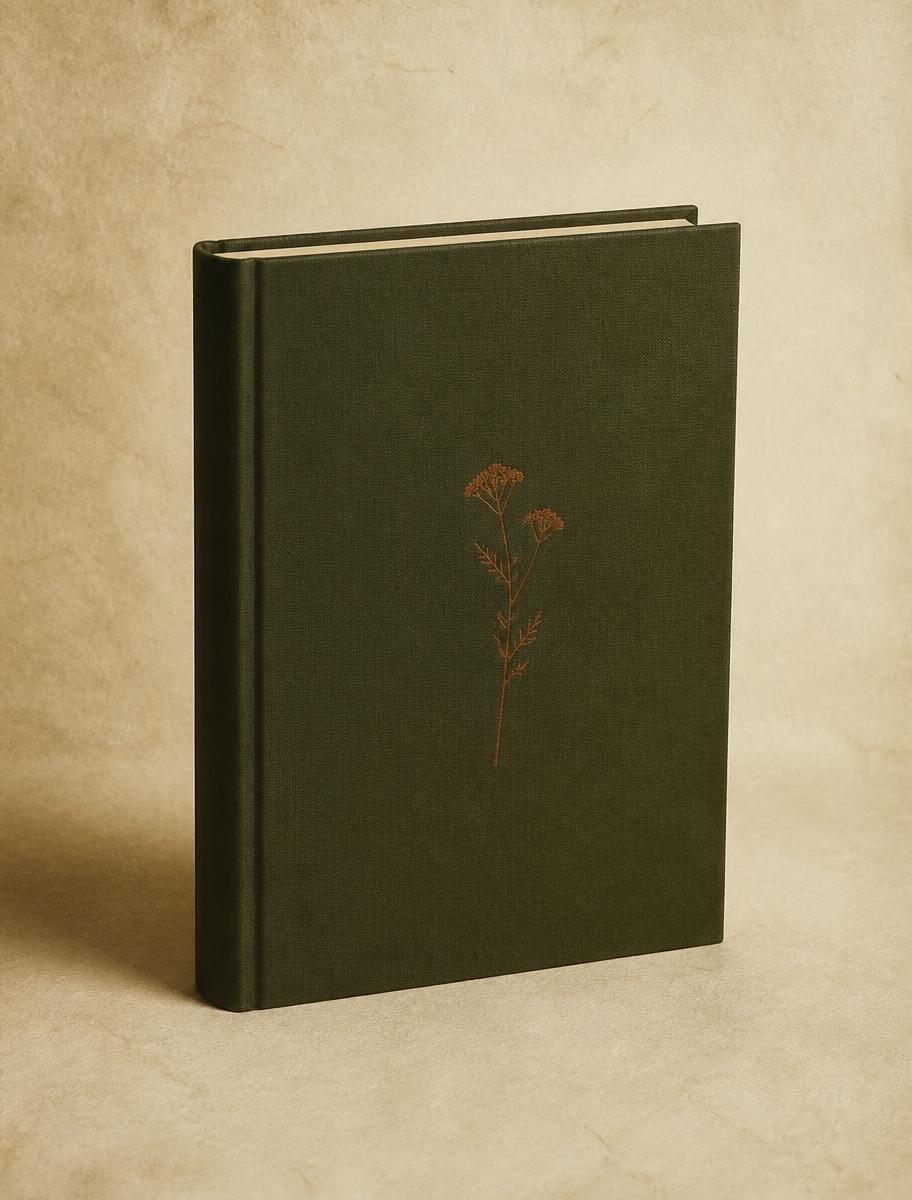
The Book

No Matter What

We all have plans for the years we get to spend on this earth, both for ourselves and for the families we hope to raise. Much to our dismay, life has a way of changing course without warning. As Christian parents traveling down the road of Good Christian Parent Dreams, we unexpectedly find ourselves at a standstill, having to merge onto a lane we did not choose. In those moments, when the plan for our journey has been abruptly interrupted, we may have only a few options. We might drive on the shoulder to continue our trip at the pace we were originally journeying, or we may demand that Google Maps find an alternate route that won't cause any extra time or stress. We had a destination in mind, and we are committed to getting there even if we are fueled by Bible verses in silent supplication or curse words in a raucous rant.

But what if God is the One behind the unforeseen change of plans, and what if our kids are the preplanned traffic jam? What if God stacked their choices and behaviors right smack in the middle of our windshield of vision because He wanted us to realize that our eyesight is actually not as good as we thought? What might it mean about Him, about us, and about our children if God has more profound priorities than creating another generation of Faith Professors who look pleasing to the eyes of others who don't look too closely? Is it possible that He wants His people to speak less authoritatively about Him, and instead learn to trust in Him more meditatively and intimately? To be less certain, less rigid, and more in the realm of the mysterium tremendum?

Wendy Osborn, mother to three LGBTQ+ adult kids, mental health counselor, and former church planter in a conservative evangelical denomination, knows this story well. She neither planned for the roadblocks in the beautiful suburban avenue she was traversing, nor for the ways other Christians would fail her when the car she was driving crashed and burned. In losing the things she most thought she couldn't live without, Wendy finally found a mysterious and yet trustworthy God that she had spent her prior four and a half decades in a buttoned-up-faith routine looking for. She now prefers to drive in wide open fields rather than submit to painted lanes on the parkway because she finds the air fresher, the sun brighter, and the Godhead more beautiful out here.

From the writing

girl preacher

Every summer of my young childhood I would spend at least a week at my grandmother's house. While at her home in the country, I could play with my only girl cousin, pick just right tomatoes from the garden as crop dusters flew overhead, and watch 3 straight hours of soap operas with Granny every afternoon. My mother's mother made the best fried chicken the world has ever had to offer, and I gobbled up her cornbread one cast iron skillet full at a time. Some humid afternoons we would make our way to the rocking wrought iron bench under my favorite oak tree and shell peas by the hour before taking a stroll to the county line just before sunset. We'd fall asleep to the roar of window fans and the rumble of eighteen wheelers whizzing down the lonesome road in front of her house.

On the weekends I'd attend Jakin First Baptist Church with my aunt, uncle, and three cousins. I gathered Granny didn't have a place left in her heart for the church because she never once joined us, but no one ever volunteered the official why. Some summers, I would make it to town for the week of Vacation Bible School. I remember the laughter and the singing — "Hug another friend, hug the friend next to ya …." and the accompanying hand motions of Sunday mornings. And I remember stern authoritative words of the country preacher on Sunday nights.

Something in those Southern Baptist days made an impression on me to the point that I founded The Mini Missionaries organization when I was eight. The group, co-hosted by my cousin, Anita, met in the aluminum shed just behind my grandmother's small house. We were both gifted at ruining a perfectly good Christian hymn with our lack of musical talent, but that didn't stop us for a single moment, or a beat. I was a female but that also didn't stop me. Despite what I had witnessed in the rural Baptist church, I felt quite confident I could preach the Word of God. So, in thin plastic flip flops balanced atop a deepfreeze filled with home-grown butterbeans, preach I did.

I let the people of our imaginary congregation in on everything my 8-year-old ears had gleaned about John 3:16 even though my heart was high-key anxious about God and His promised punishments around perishing. My strategy for dealing with the dissonance was simple: evangelize louder to drown out the fears.

"Listen to me, everyone! God sent Jesus so we don't have to die!

"AMEN!" Anita offered heartily.

"His one and only begotten son"

Another "A — men!"

"and if we believe in Him, we … shall …

"A …

"NOT PERISH!"

… men!!!"

"But we shall have EVERLASTING Life!"

"Yes, Lord, Jesus!"

"Praise God!"

"Thank you, Jesus!"

And one last Amen.

After my sermon, Anita gave a list of exciting announcements to all we fantasized were in attendance. We took turns devoutly interceding for both the spoken and the unspoken prayer requests. Drumming up emotion was particularly key in that segment of the service so that God would know we were fully serious. I longed for Him to bless our efforts as well as our hearts.

It would be almost two decades before I was officially told that preaching in a female body was considered to be breaking the law of God. I am thankful I did not find that out any earlier than I did because I was developing a strength that would be needed often in my future life. As the years unfolded, I would need to contend with many powerful men and to entrust myself to an unpredictable God in the midst of overwhelmingly painful circumstances.

About

Pull up a chair and exhale

I write for parents whose child has not conformed to the faith they raised them in. I don't write to fix people or situations. I don't write to argue them or you or anyone else out of or back to certainty. I write merely as a way of joining you around the ash heap of your broken dreams, and waiting there with a tenacious hope that unexpected beauty may rise from that very spot.

Once you've had the conversation with your child at home, there is a specific kind of loneliness that joins you in the meet-and-greet portion of the service at church. It comes on again, maybe even stronger, in the car on the drive home. As your kids cram into the seat behind you, the painful questions ring loud in your ears. Where is God in this, and is He still good to my family?

I know these moments firsthand. I've walked into my sanctuary hugging other mothers hello while my arms were trembling under the weight of fears for our family's future. I've cried through sermons wondering if the promises were for me and mine after all. I've made that drive home, feeling just as confused and alone as you are.

I'm a mental health counselor and a former church planter. I'm also a facilitator with The Allender Center, where I was trained in storywork and narrative-focused trauma care under Dan Allender. That work — sitting with people as they name what happened to them and discover where God has been present in the story all along — shapes everything I write. I'm not writing to you as an authority. I'm writing as a woman who left the tables that were set for someone different than who she turned out to be. I'm writing as a mother who left rooms in which theological power was wielded against her precious children. I write as a deep lover of Jesus who went looking, and found, Him at a shockingly spacious table. One that has a seat for every single one of us.
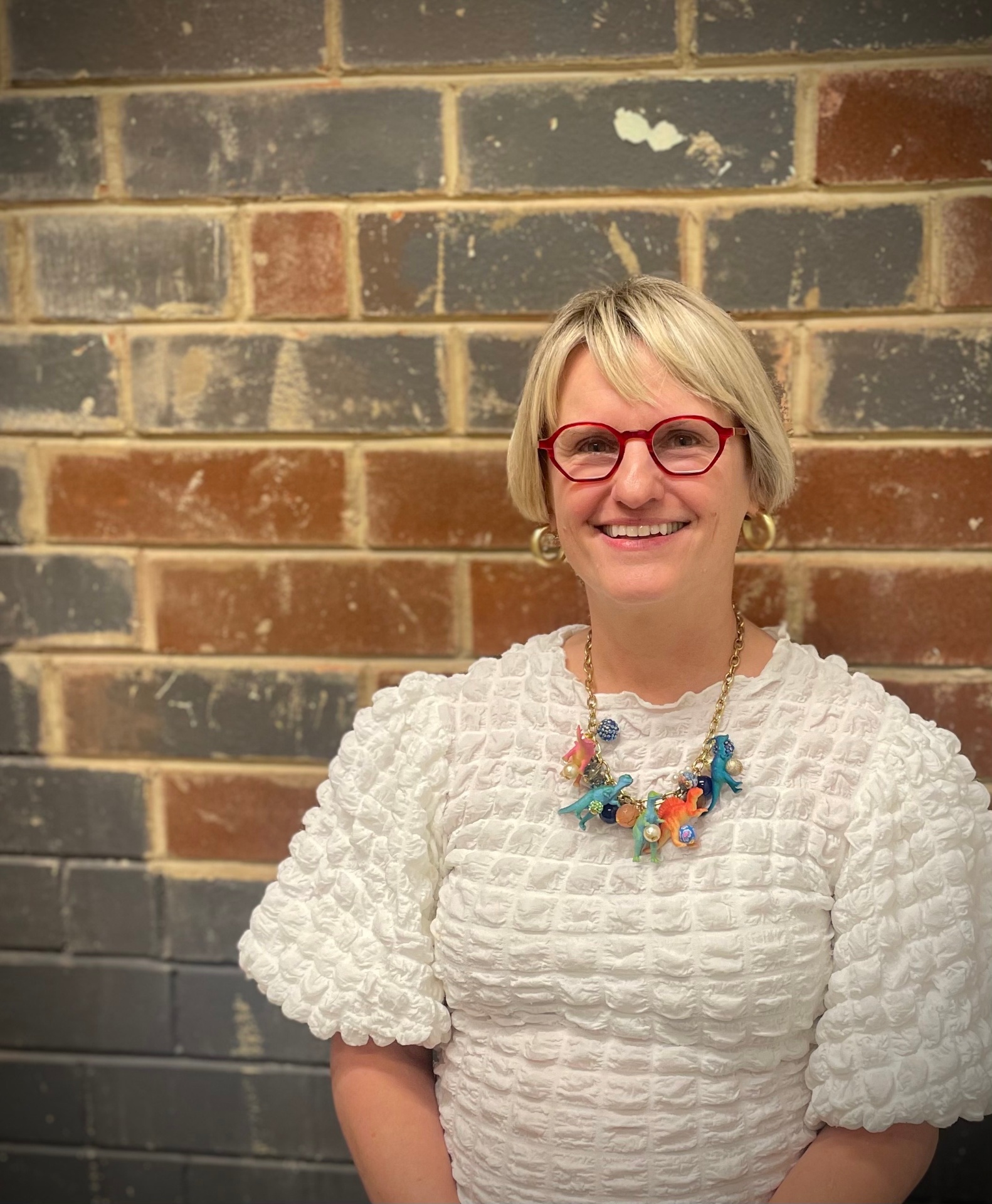
My words are intended as a sort of Holy Feast that offers goodness to us all.

Pull up a chair and exhale.

Stay at the table

New essays land every couple of weeks at A Holy Feast.

Subscribe →